
Choosing the right piping material is not just a technical decision—it directly affects system safety, durability, and long-term costs. For contractors, consultants, and project owners in the UAE and Gulf region, the comparison between CPVC fittings vs PVC fittings comes up frequently across residential, commercial, and industrial projects.
While both materials look similar at first glance, their performance differs significantly depending on temperature, pressure, and application. This guide breaks down the difference between CPVC and PVC fittings in a practical, easy-to-understand way—so you can select the right option with confidence.
Understanding CPVC and PVC Fittings
What Are PVC Fittings?
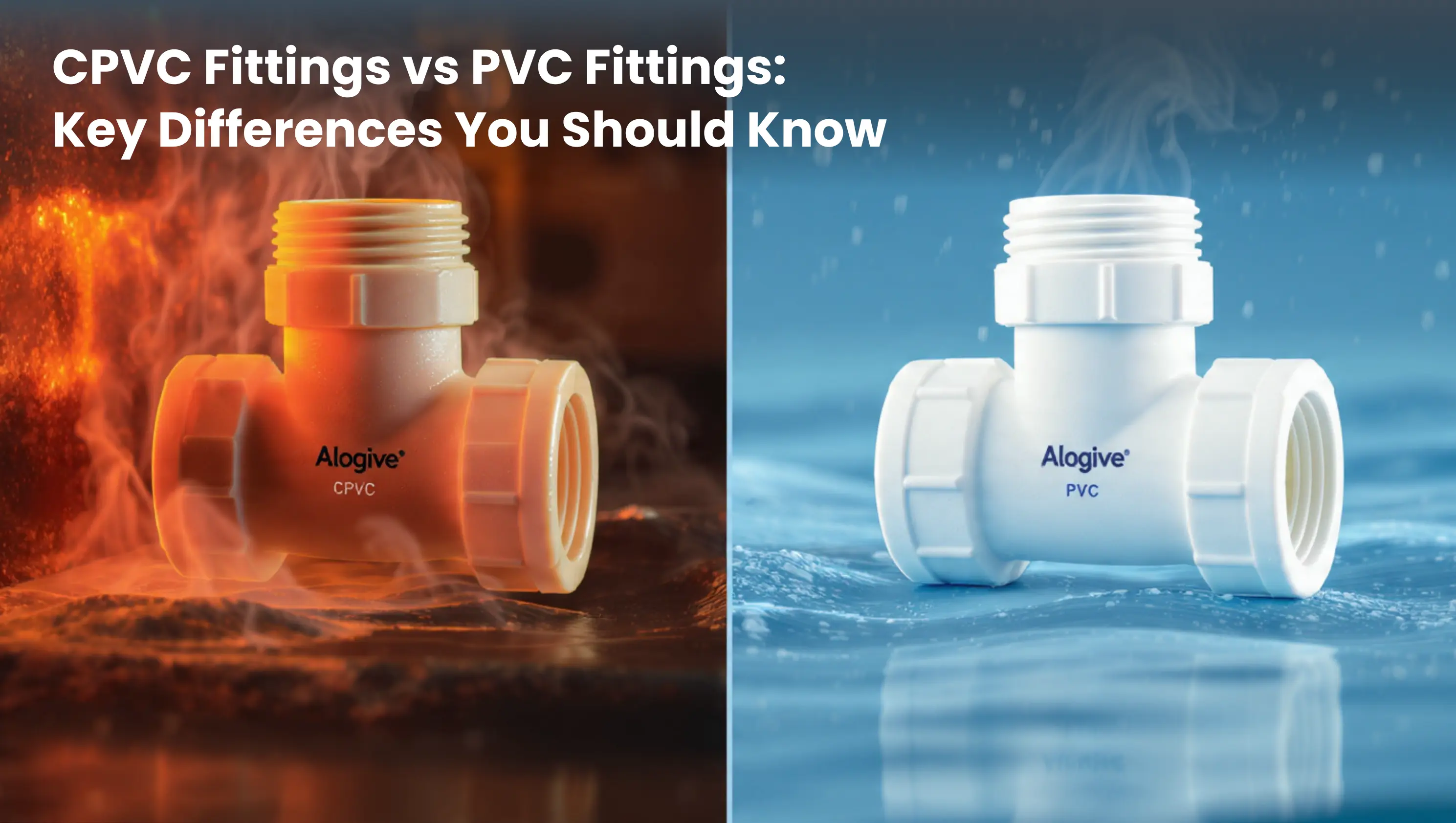
PVC (Polyvinyl Chloride) fittings are widely used for water distribution and drainage. They are lightweight, cost-effective, and easy to install. PVC fittings are commonly chosen for cold water applications, irrigation systems, and drainage networks.
What Are CPVC Fittings?
CPVC (Chlorinated Polyvinyl Chloride) fittings are chemically modified to handle higher temperatures and pressures. They are widely used in hot water plumbing, industrial piping, and HVAC systems, especially in regions with high ambient temperatures like the UAE.
When comparing CPVC fittings compared to PVC, temperature tolerance becomes the most decisive factor.
Key Differences Between CPVC and PVC Fittings
1. Temperature Resistance
One of the biggest differences in CPVC vs PVC plumbing fittings is heat tolerance.
This answers a common question: Is CPVC better than PVC for hot water?
In most cases, yes.
2. Pressure Rating
Another major comparison point is CPVC vs PVC pressure rating.
For high-rise buildings and industrial plants, pressure stability often makes CPVC the preferred option.
3. Chemical Resistance
When evaluating its chemical resistance, both materials perform well, but CPVC has an edge in aggressive environments.
This distinction matters in factories, refineries, and processing plants.
Application-Based Comparison
For Plumbing Systems
For modern residential and commercial buildings in the Gulf, CPVC is often chosen for internal plumbing due to heat tolerance.
For Industrial Piping
Industrial systems demand reliability under stress. Use for industrial piping, CPVC is usually preferred due to its higher pressure and temperature limits, while PVC is used for non-critical lines.
For HVAC Systems
HVAC systems involve temperature fluctuations. CPVC performs better in such environments, whereas PVC fittings are generally restricted to condensate or drainage applications.
Climate Considerations: UAE & Gulf Region
The Gulf region’s climate plays a major role in material selection. High ambient temperatures and continuous hot water demand make material performance critical.
When selecting the best piping material for UAE buildings, CPVC often offers better long-term reliability for internal plumbing, while PVC remains a cost-effective choice for external cold water and drainage systems.
Installation Differences You Should Know
Both Installation Differences
Although installation methods look similar, there are key distinctions:
CPVC Solvent Cement vs PVC Solvent Cement
These materials use different solvent cements and are not interchangeable. Using the wrong cement can lead to joint failure, leaks, and compliance issues.
Maintenance and Long-Term Performance
Both materials are low-maintenance, but their lifespan differs based on usage:
This leads to another common question: CPVC vs PVC which is more durable?
Durability depends on application—but under heat and pressure, CPVC generally lasts longer.
Cost Comparison: Short-Term vs Long-Term
From a pricing standpoint, PVC fittings are usually cheaper upfront. This often raises the question: which is cost effective?
For large projects, total lifecycle cost matters more than initial pricing.
Standards, Quality & Supply in the Gulf
Quality and compliance are essential for construction and infrastructure projects.
Final Thoughts
The debate around CPVC fittings vs PVC fittings is not about which material is universally better—it’s about choosing the right material for the right application.
PVC fittings remain an excellent solution for cold water and drainage systems, while CPVC fittings provide superior performance in hot water, industrial, and HVAC applications. In the UAE and Gulf region, where temperature and compliance matter, understanding these differences helps prevent costly mistakes.
Making the right choice today ensures safer systems, longer service life, and better project outcomes tomorrow.
Always verify certifications and supplier credibility before procurement.